Category Archives: James’ life apart from the Lost Continent of Mu

These posts discuss other aspects of James life other than the Lost Continent of Mu

Another James and Albert Churchward posting

Albert Churchward (1852-1925)

As discussed in earlier postings (The Cosmic Diagram of the Land of Mu Part 4 & James and Albert Churchward,) Albert was James’ younger brother, surgeon, and author.

The following advertisement was contained in one of James’ scrapbooks (reproduced in the Lost Gems of the Lost Continent of Mu in pdf or ePub format.)
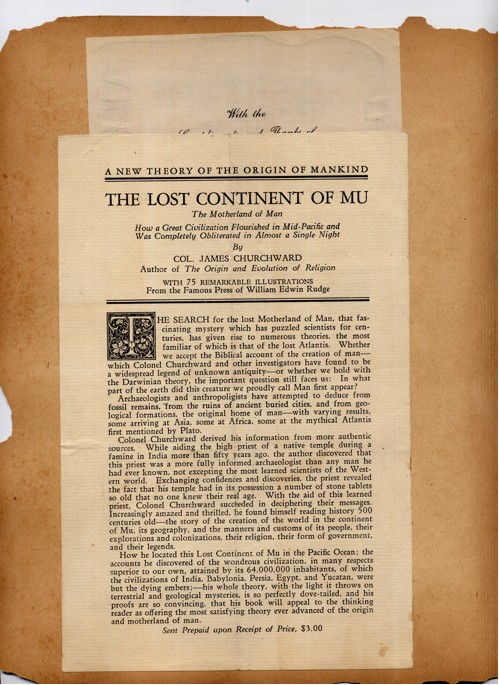
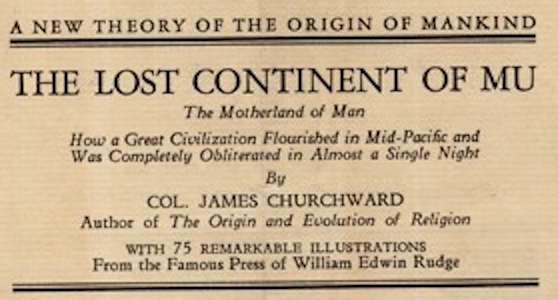
Looking closely, one will notice that James is credited as the author of “The Origin and Evolution of Religion.”

On the other hand, there is also The Origin and Evolution of Religion published in 1924 by Edward Washburn Hopkins (1857-1932.)
And The Origin and Evolution of Religion also published in 1924 by Albert Churchward (1852-1925.)

The Lost Continent of Mu Motherland of Man, James’ first book was published 1926. I can only assume James was unaware of Professor Hopkins’ book and thought perhaps it ok to increase his book sales with the added name recognition from his late brother.

I should also point out the advertisement cited the “stone tablets so old no one knew their real age.”
On page 287 of the Lost Continent of Mu Motherland of Men, James writes:

From incontrovertible evidences gained through my research work it is shown that Moses wrote the first books of the Bible from the temple records brought to Egypt from the Motherland by the Naacals via Burma and India; and that these Egyptian temple records were copies of the “Seven Sacred Inspired Writings” of the Motherland Mu. These were written on clay tablets and referred to the Creation. The legends of the Garden of Eden, the “Flood,” the last magnetic cataclysm, and the raising of the mountains, are records of later date.

There are no mentions of “stone tablets” in James’ books until the 1927 Copies of Stone Tablets Found by William Niven at Santiago Ahuizoctla Near Mexico City after receiving the first of some 2600 pictures and rubbings of William Niven’s finds. While some of the artifacts discovered by Niven were real, many of the “Mu stones” originally identified as andesite are actually made of pumice. The difference between the two types of rock is hardness. The pumice “Mu stone” I have reduces in weight every time it is handled, probably not something expected to last centuries, much less the thousands of years old purported by Niven or Churchward.

While Niven’s Mu Stones are mentioned in the 1926 Lost Continent of Mu Motherland of Men, James does not link them to the Naacal tablets he wrote about finding in India until the publication of the 1931 Lost Continent of Mu and in subsequent books. If the Rishi had taught James the symbols on the Naacal tablets, why didn’t he recognize them in 1926 or 1927 when he created his first two books?

Of course, the advertisement may have been written by someone in the publisher’s office that had yet to read James’ book.

Have a great day!

Who is Mary Julia Churchward? Part 2

In part 1, background information on James’ legal wife (and my great-grandmother) was presented.

When I visited Joan Griffith late last century, she gave me three things. (I gave her my copy of “Books of the Golden Age.”):

  1. Photocopy of the entire original My Friend Churchey and His Sunken Island of Mu
  2. A copy of “Egypt” – a collection of Egyptian deity drawings penned by James
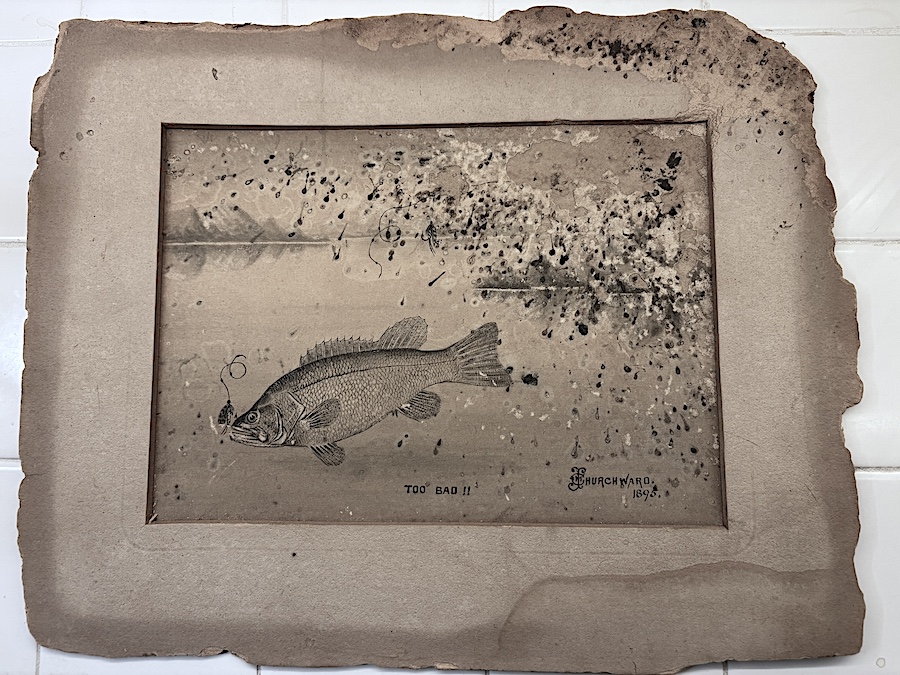
  3. A badly damaged drawing by James that was filed away until recently rediscovered.

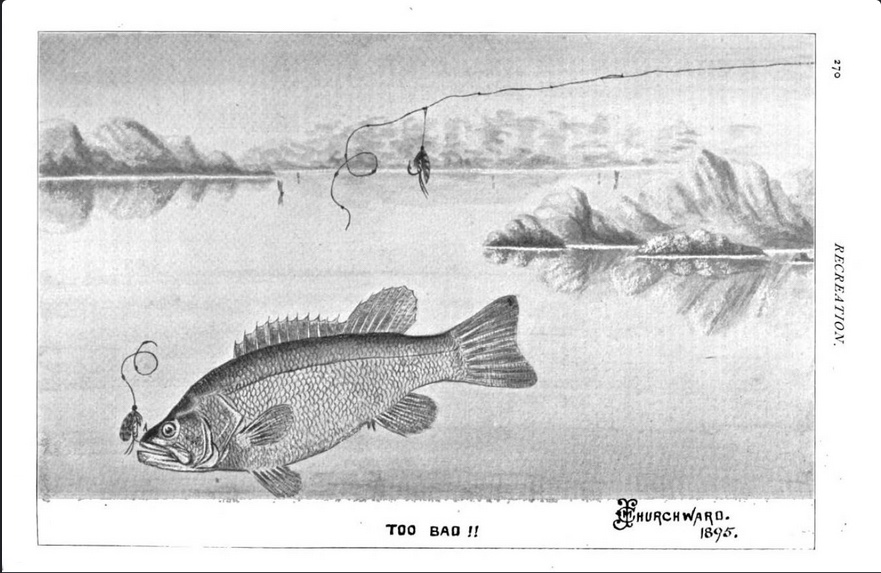
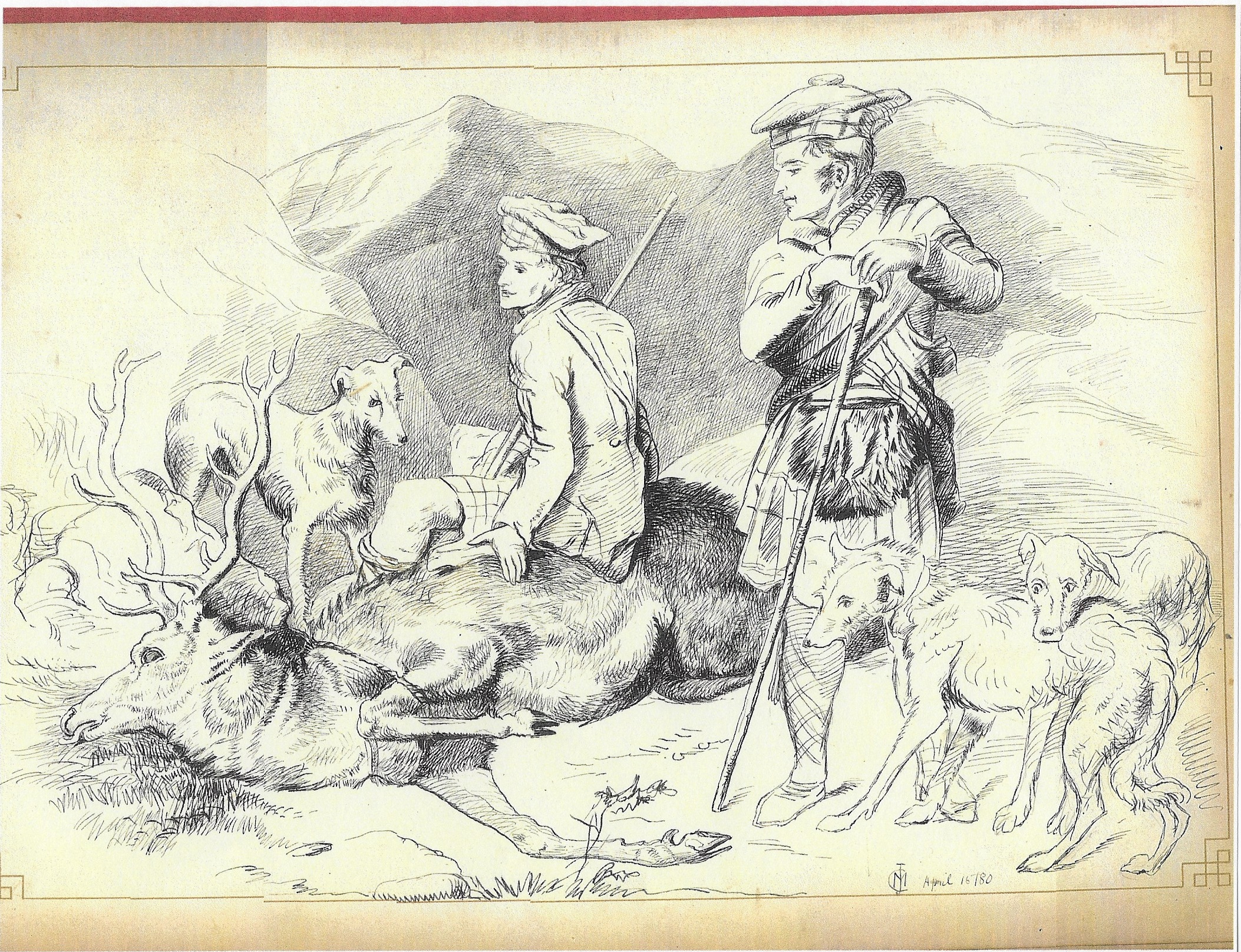
James wrote an article for Recreation magazine in March of 1895 entitled, “Indian Joe, A Tale of the Thousand Islands.” This was presented in another blog posting in 2010 and was accompanied by the following illustration:

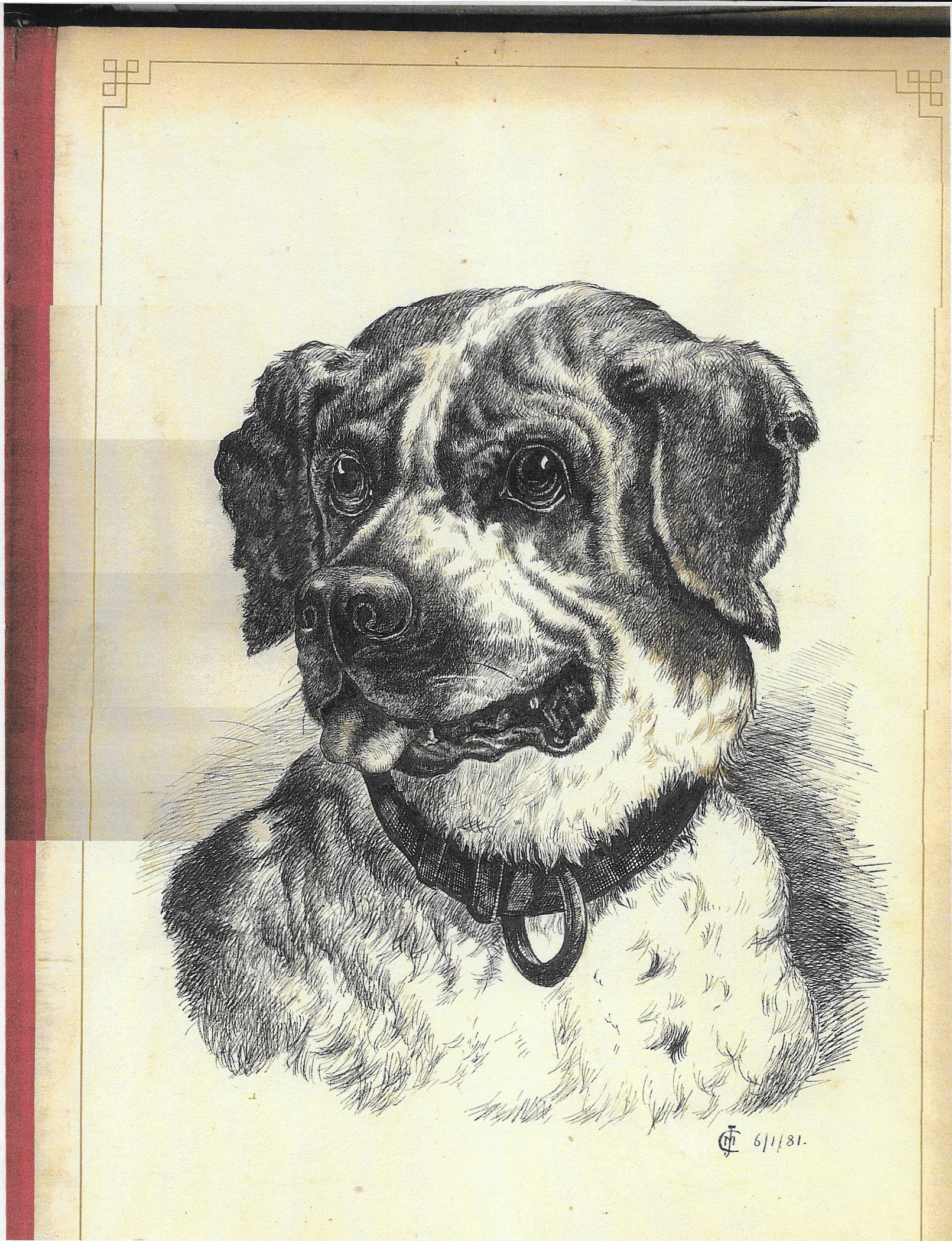
The recently rediscovered (and badly damaged) painting is below:

Anyone familiar with Florida will recognize the drawing was stored in an unsealed garage for some time.

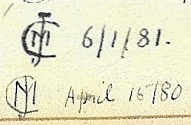
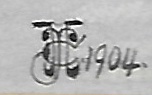
In my research, I discovered that Mary Julia also had illustrations in the same edition of Recreation magazine, unfortunately unsigned. Although we do have two known examples of how she signed her drawings.

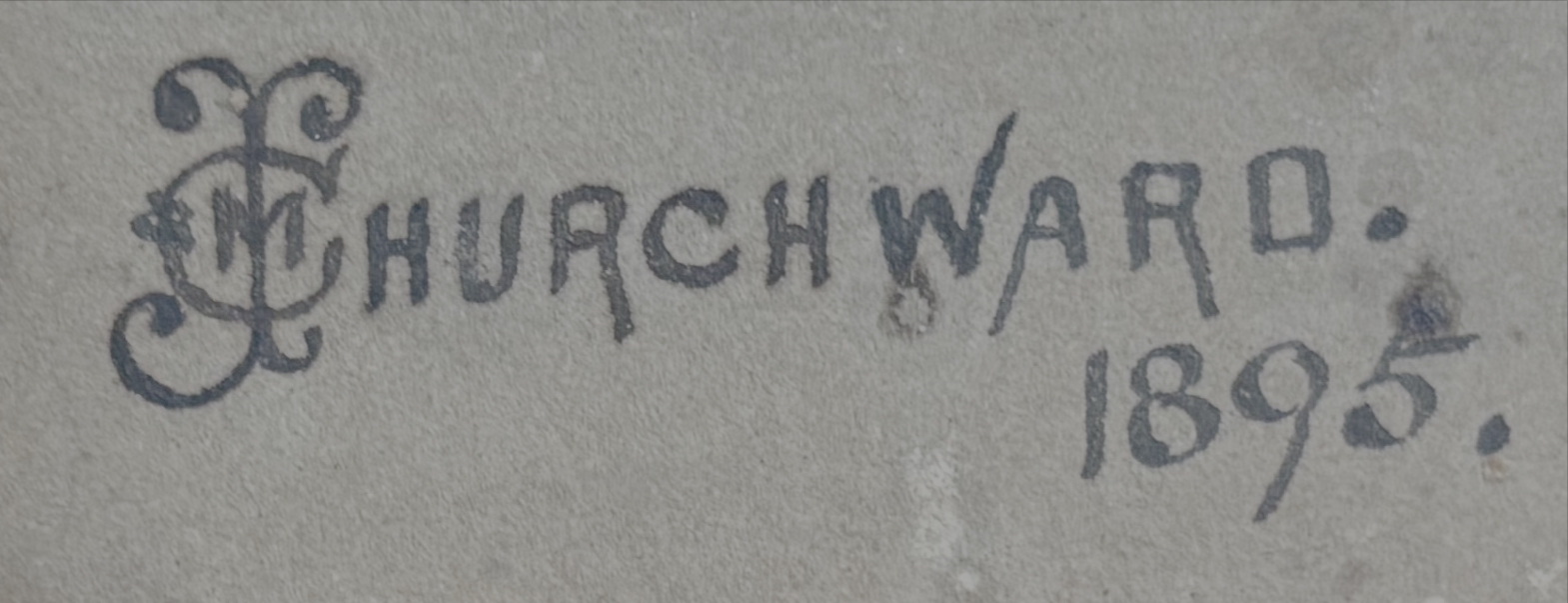
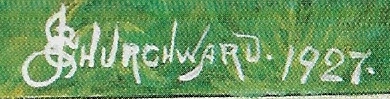
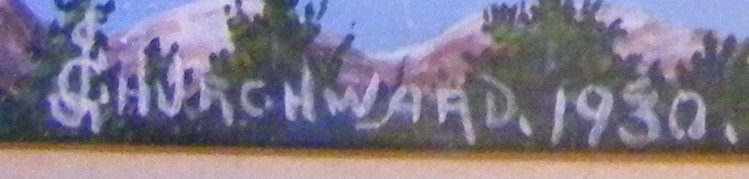
Now the initials/signature at the bottom of the ‘Too Bad’ drawing look at a whole lot like the one Mary Julia used in our examples. Also, I have never found a newspaper article or other document that showed James had a middle initial. Census documents show his two elder brothers had middle initials, but not James. I have seen videos where he has been awarded a middle initial, but his parents never gave him one and that is what counts.

The initials at the bottom of James’ Silver Hook painting (link 2):
(signed by James on the back of the painting.)
In the 1927, Books of the Golden Age, many of the drawings have the following:

In the 1930 painting “Seaside Cove,” the initials look like:

There is no flourish on the “J” in the initials or signature of James’ other paintings.

So my perplexing issue is “What is the “M” doing in the initials/signature on paintings identified as being by James Churchward?”
Is there some explanation other than the possibility Mary Julia did the painting instead of James or maybe James wanted to either provoke or compliment his estranged wife. In 1895, he had yet to marry anyone else, could he have tried to attempt to return to her good graces?

Tell me your theory in the comments or send along an email.

Have a great day.

Who is Mary Julia Churchward? Part 1

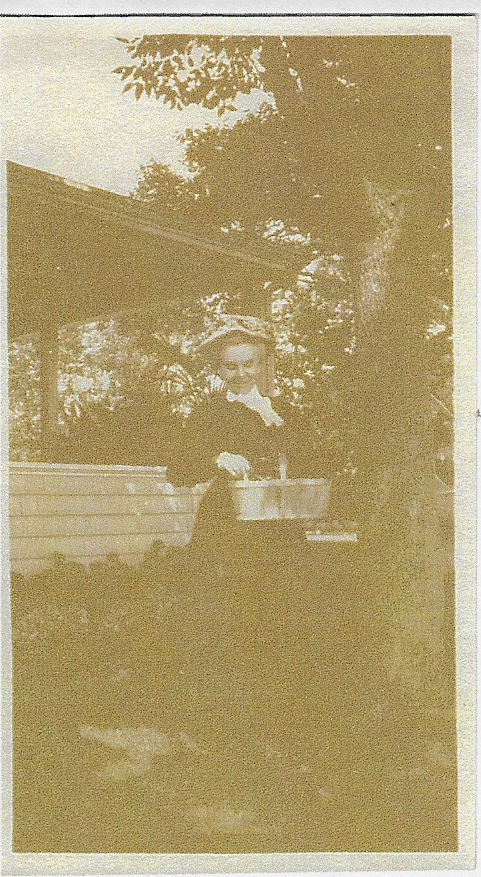
Mary Julia Churchward


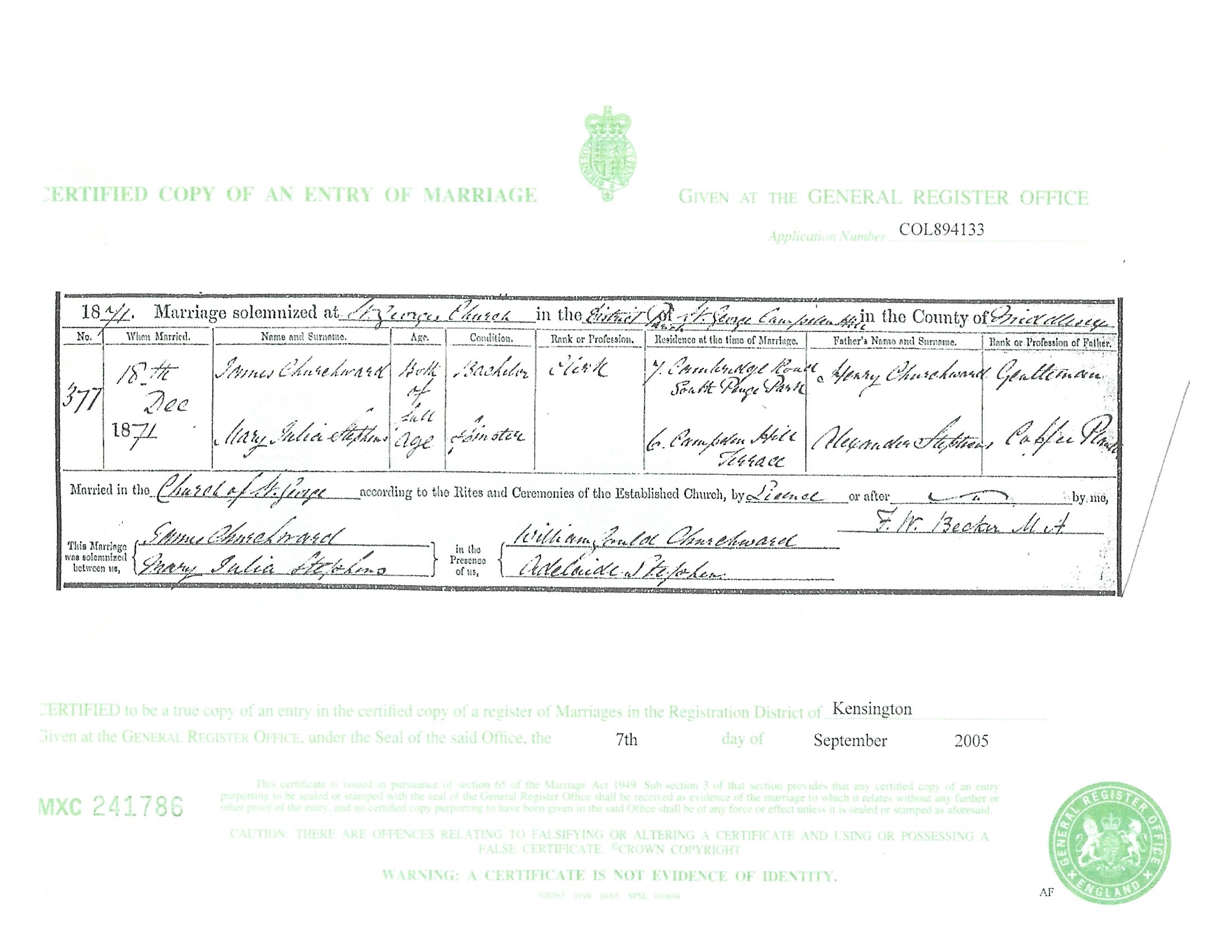
James Churchward married Mary Julia Stephens on December 18, 1871 in Kensington at St. Georges Church. Mary Julia had inherited her father’s tea plantations in Sri Lanka (then called Ceylon.)

Shortly thereafter in the October 15th 1872 Edition of the ‘Overland Ceylon Observer’ announced under Domestic Occurences, Births:

1872-10-15Ceylon_1

“At Parragalla Estate, Gampola, Oct. 9. Mary Julia, wife of J. Churchward. Esq., of a Son.”

1872-10-15Ceylon_2

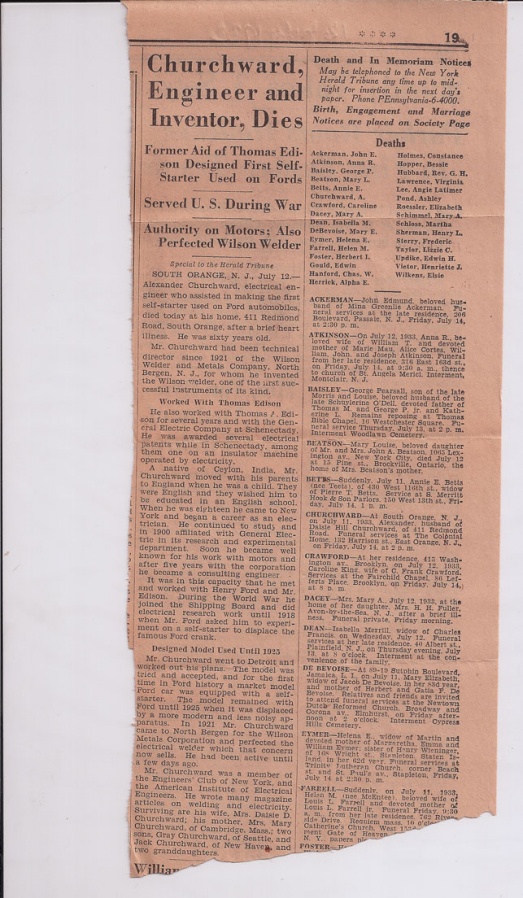
The son mentioned is my grandfather, Alexander Churchward, whose obituary is shown below:
523px-AChurchward_obit

The sad facts I have been able to put together are:

  • James and Mary Julia were estranged after 1881.
  • James lost his wife’s tea plantations, was arrested by the authorities, and escaped dressed as a “coolie.” (the term used in the correspondence)
  • James’ brother Albert helped support Mary Julia and my grandfather.
  • My father told me that James was persona non grata at his home and not even mentioned (and Mary Julia lived in the same house for six months every year.)


  • Mary Julia was an artist as well and made her living from it. The following are examples:

    Here is a closeup of her initials at the bottom of her drawings:

    This presentation of initials actually raises some perplexing issues which I will cover in the next part.


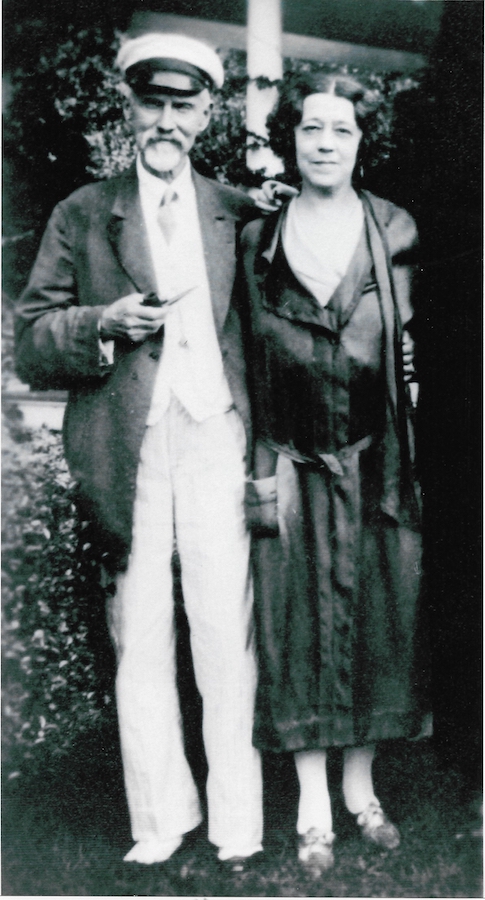
    As an aside, James resided with the Haier family (Mother Carolin and daughters Harriet, Pauline, Minnie and Louise) beginning in 1907. Later James received a large patent infringement settlement and “Mrs Louise (Haier) Churchward” purchased 7.22 acres on Lake Wononskopomuc in Lakeville, Connecticut in July 1914 where James, Louise, Harriet and her son, Howard Keresey lived until 1922. That year they moved to Mount Vernon, New York.

    Churchey & Louise


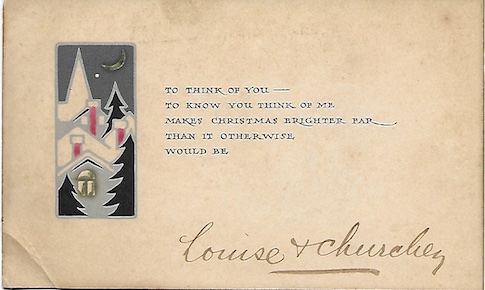
    Christmas Card from Louise and Churchey